
Next generation SDR interference reduction should be tackled by Spatial Interference Filtering Techniques. Here is why and how. Read more
Next generation SDR interference reduction should be tackled by Spatial Interference Filtering Techniques. Here is why and how. Read more

Today’s AM broadcasters reduce carrier level to save money on their power bills. Here is a summary of the modulation dependent carrier level methods. Read more

So, how do you implement synchronous detection? Lots of ways, it turns out. Some work better than others across a spectrum of complexity. Read more

To boost your understanding synchronous detection, let’s examine the impact of selective fading, distortion and weak signals on the AM detector in your receiver. Read more

Before we explore synchronous detection, let’s make sure we understand how envelope detection works. After all, it’s been around for a century. Read more

Most new shortwave receivers let you enjoy synchronous detection. It is an important and very useful feature if you listen to AM broadcasting on medium and short waves. Let’s find out more. Read more
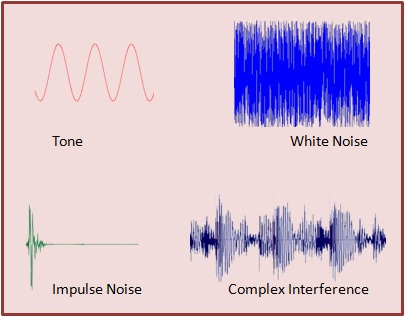
Let’s consider the four basic types of local RFI signal content. We will see when and where a noise canceler can make a critical difference to your radio listening. Read more

Every ham or shortwave listener struggles with local RFI. This article kicks off a new series on how to use noise cancelers and get your spectrum back. Read more

Discerning signals from noise is what radio reception is all about. We always seek to improve the signal-noise ratio. Read more

Now more than ever, noise limits performance and enjoyment of shortwave radio listening. Signal strength is one thing, noise is another. Read more